Garden Maintenance in Finchley
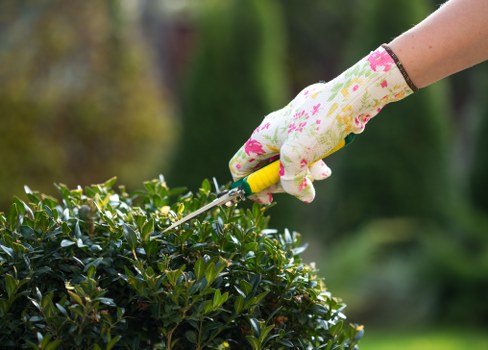
Garden maintenance in Finchley should keep outdoor spaces neat, healthy and manageable without turning routine care into a chore. Our work focuses on practical upkeep: mowing, edging, trimming, clearing and seasonal attention that helps beds, borders, lawns and paths stay in good order. Whether a garden needs regular visits or a one-off tidy-up, the aim is to keep the space looking cared for while keeping the tasks clear and straightforward.
We support households and property managers who want reliable garden maintenance without unnecessary complication. That can include shaping hedges, cutting back growth, removing debris, refreshing borders and keeping grass under control. If you are comparing options, start with the service pages that match the work you need and then request a quotation once the scope feels clear. A simple conversation at the outset usually makes it easier to plan the right level of upkeep.
For many gardens, the most useful maintenance plan is built around routine rather than rescue work. Regular attention can prevent lawns from becoming patchy, stop hedges from getting away from you and reduce the time needed for larger clean-ups later on. If you already know which parts of the garden are causing the most work, you can focus on those areas first and build the rest of the schedule around them.
Routine lawn and border care
Lawns and borders often shape the overall appearance of a garden, so routine care usually begins there. Grass cutting, strimming around edges and tidying the line where lawn meets path or bed can make the whole space feel more orderly. Borders benefit from keeping weeds down, removing spent growth and lightly shaping plants so that they do not spill across walkways or crowd one another. The work may appear simple, but consistency is what keeps it effective.
In practical terms, this kind of maintenance is about making the garden easier to use as well as easier to look after. A tidy lawn gives structure to the rest of the plot, while well-kept edging helps beds and paths stay visually distinct. If you prefer a more finished look, ask about combining mowing with small-detail tidying so the result does not stop at the grass line. Lawn mowing is one of the clearest starting points when the lawn is the main feature needing attention.
Typical maintenance tasks can include repeated visits or occasional seasonal work, depending on how quickly the garden changes. Common examples are mowing, strimming, dead-heading, border edging, leaf clearance and removing light overgrowth. Where the garden has mixed surfaces or several planted areas, the maintenance plan can be adjusted so the most visible parts receive the most attention. That approach keeps the work focused and avoids unnecessary disruption.
Shaping hedges and managing growth

Hedges, climbers and fast-growing shrubs usually need a different approach from lawns and beds. Trimming is not only about appearance; it also helps keep plant growth from narrowing paths, blocking light or spilling into neighbouring areas. A measured cut can maintain shape without leaving the planting looking harsh. Where growth is dense, careful reduction may be more suitable than a severe cut, especially if the aim is to preserve a balanced outline.
Well-timed hedge work can also support the overall structure of the garden. Neater lines make boundaries clearer and can bring order to spaces where planting has become uneven. If the hedge is one part of a broader maintenance visit, it may be sensible to combine trimming with debris removal and small-scale shaping elsewhere. Hedge trimming is especially useful when the priority is to keep recurring growth in check rather than wait for a major cutback.
Where shrubs or small trees need more than a quick tidy, the scale of the work matters. Some plants only need light seasonal shaping, while others benefit from a more considered reduction to improve balance and reduce overcrowding. Keeping the cut appropriate to the species and the setting helps avoid unnecessary stress on the planting. That is one reason maintenance works best when the work is matched to the condition of the garden rather than treated as a one-size-fits-all task.
Clearing leaves, cuttings and unwanted growth
Garden maintenance often generates material that needs to be gathered and removed as part of the same visit. Cuttings, weeds, leaves and broken stems can make a garden feel untidy even after the main work is complete. Clearing these items helps reveal the space properly and leaves paths, borders and lawns usable again. When this is done well, the garden looks finished rather than simply cut back.
For neglected or overfilled spaces, the clearance stage may be as important as the trimming itself. It can include gathering loose material from beds, lifting fallen branches, bagging debris and removing growth that has become difficult to manage by hand. Where useful, garden clearance can be considered alongside routine maintenance so that the tidy-up and the upkeep work together instead of being handled separately.
There are also practical limits to what a maintenance visit can achieve in one go. If a space has been left for some time, it may need a first pass to get it back under control and a second visit to bring the finer details in line. That is not a drawback; it simply reflects the difference between routine care and heavier recovery work. A clear assessment at the start helps set the right scope.
Seasonal upkeep and timing
Many gardens benefit from maintenance that follows the rhythm of the year. Spring often brings the first strong growth, summer can bring frequent cutting and shaping, and autumn usually creates more leaf fall and clearing work. Winter maintenance may be lighter, but it is still useful for keeping hard surfaces clear, reducing tangled growth and checking that plants remain manageable. The main point is to keep the garden moving with the seasons rather than waiting for a backlog.
Timing can also affect how visible the results are. A garden that is trimmed too infrequently may look uneven even after work has been carried out, while one maintained on a sensible cycle tends to hold its shape between visits. If you are arranging seasonal work, it helps to think about which parts of the garden change fastest. Our services overview can help you match the type of maintenance to the kind of garden work you need.
In some cases the best plan is flexible rather than fixed. A patio border might need attention after windy weather, a hedge may require extra shaping after a growth spurt and a lawn can need more regular cutting during warm spells. Good maintenance responds to those changes without turning every visit into a major job. That balance helps keep the space presentable while avoiding unnecessary work.
Preparing a clear quotation

When a quotation is being prepared, the most useful information is usually the simplest: which parts of the garden need attention, how often the work is likely to be needed and whether there are areas that require a one-off tidy or repeated care. Photographs can help, especially if the garden has different levels, thicker planting or sections that are not easily visible from one point. This is not about making the process complicated; it is about making the scope easier to read.
Access, parking and the type of surfaces underfoot can also influence how a maintenance visit is planned. A narrow side passage, shared access or a garden with several separate areas may need a slightly different approach from an open front or rear plot. If you are comparing options, have a look at pricing and quotes once you have a sense of the work involved, then request a quotation when you are ready to discuss the finer details.
Useful information to include is the size of the garden, the main tasks you want completed and whether you need a single visit or ongoing upkeep. If some sections are more urgent than others, say so, because it helps prioritise the work sensibly. The clearer the starting point, the easier it is to recommend a maintenance plan that fits the garden rather than forcing the garden into a generic package.
Why maintenance works better as a schedule
Garden care often becomes more manageable when it is organised as a schedule rather than tackled only when the space looks untidy. Repeated maintenance keeps the garden closer to its intended shape, which means fewer heavy cutbacks and less time spent recovering from overgrowth. Even modest, regular attention can make beds easier to weed, edges easier to define and lawns easier to keep in good order.
There is also a practical advantage to being consistent with the work. Plants are easier to shape when they are not left to become too woody or too dense, and paths or borders stay safer and clearer when loose material is not allowed to build up. If the garden needs more than routine attention, garden maintenance can cover a broader mix of upkeep tasks in one planned visit rather than leaving each part to drift out of condition separately.
Not every garden needs the same frequency of care. A small, compact plot may need little more than periodic attention, while a larger or more planted space may benefit from a steadier pattern of visits. The right schedule depends on how quickly the garden changes and how finished you want it to look between visits. That is why it is better to set the maintenance around the space, not around a preset assumption.
About Finchley
Finchley is a district in north London, historically part of Middlesex and now within the London Borough of Barnet. It is commonly described through its three main areas: North Finchley, East Finchley and Finchley Central, each of which has its own character and local focus. The area sits on higher ground compared with some surrounding parts of London, and its development was shaped by the old road routes that crossed the district before suburban expansion transformed it in the late nineteenth and early twentieth centuries. Finchley’s growth accelerated after the arrival of rail and tram links, which encouraged residential building and the spread of shops and civic services along the main corridors.
Several well-known landmarks and open spaces help define the district. Victoria Park is a prominent local park near the centre, while Dollis Brook and the Dollis Valley Greenwalk provide green linear routes that connect parts of the wider borough. East Finchley is known for the Arc cinema, a notable local building with a long cultural presence, and Finchley Central includes civic and shopping streets that reflect the area’s suburban development. The district also has religious, educational and community buildings from different periods, adding variety to the streetscape. Together these features give Finchley a layered urban identity: residential, green in places and closely tied to London’s wider transport and suburban history.
Landscaping support for changing gardens
Sometimes maintenance is not just about keeping things tidy; it is also about improving the layout so the garden becomes easier to manage over time. Small landscaping adjustments can make a practical difference when borders are awkward, paths are poorly defined or planting has been arranged in a way that is hard to maintain. By changing the structure of the space in sensible ways, the garden can become cleaner to work in and more coherent to look at.
That may involve refreshing sections that no longer function well, adjusting the balance between planting and open areas or introducing more manageable edges and surfaces. The aim is not to remodel a garden unnecessarily but to support the way it is actually used. Where a broader redesign is needed, landscaping and related work can complement maintenance by addressing layout as well as upkeep. Landscape gardening may be relevant when planting structure and long-term design need more attention.
Good garden structure usually makes future maintenance simpler. Straightforward access to beds, clear edges between surfaces and planting that has room to grow all reduce the amount of correction needed later on. Even modest changes can help a garden feel more settled and less demanding. If you are deciding between maintenance and improvement work, it is sensible to separate what needs recurring care from what would benefit from a one-time change.
Access, safety and working around the garden

Good maintenance also depends on working carefully around the space itself. Paths, steps, side access and surface conditions can all affect how the work is carried out, especially where debris needs to be moved through narrower routes. Clear access helps the job progress more smoothly, but it is also useful to think about the garden in practical terms: where cuttings will be collected, which areas are fragile and what needs to be avoided while trimming or clearing is under way.
Where a property has trees as part of the garden, more focused work may be needed to reduce overhang or remove awkward growth. In those situations, it is important to match the task to the size and condition of the planting rather than treating it as a routine tidy-up. Tree lopping and removal may be relevant where branches or small trees have become difficult to manage and are affecting the overall upkeep of the space.
There is also a practical difference between cleaning up what has already fallen and cutting back what is still attached. Maintenance often includes both, but they require different levels of care. Leaves and light debris can usually be gathered as part of a visit, while thicker growth or structural pruning may need more attention and planning. Recognising that distinction helps keep the work proportionate and reduces the chance of overdoing a job that only needed a tidy finish.
Choosing the right level of upkeep
Not every garden needs the same style of maintenance, and it is often better to choose the level of upkeep that fits the way the garden is used. A front garden may need neat presentation and tidy edges, while a rear garden might need more regular mowing, border care and debris removal. Some plots benefit from light but frequent visits, while others are better handled with less frequent but more thorough attention.
To make that decision easier, it helps to think in terms of outcomes rather than isolated tasks. Do you want the whole garden to look more ordered, or are you mainly trying to bring one or two areas under control? If the answer includes several different jobs, it may be more efficient to combine them into a single maintenance plan. Decking services can also be relevant where the garden includes timber surfaces that need to sit neatly alongside the planted areas.
Here is a simple way to narrow the brief before you ask for a quotation:
- identify the main areas that need attention
- note whether the work is one-off or ongoing
- say if there are access limits or delicate features
- mention any sections that need priority over the rest
Requesting the next step

If you are ready to move forward, the simplest next step is to outline the garden’s condition and the type of maintenance you want completed. A brief description can be enough to start a useful conversation, especially when it covers the lawn, hedges, borders and any debris that needs to be cleared. From there, the work can be matched to the scale of the garden rather than guessed in the abstract.
For further details about how different maintenance tasks fit together, you may also want to review contact us before you make your decision. Once you know what needs doing, request a quotation and use it to compare the scope of work with the garden’s actual needs. That keeps the process practical and gives you a clearer basis for planning the upkeep.
Whether the job is regular care or a one-time tidy, the goal is the same: a garden that is easier to manage and better kept throughout the year. If you are thinking about the work now, request a quotation today and describe the areas that matter most. It is a straightforward way to turn a vague idea of maintenance into a clear plan for the space.