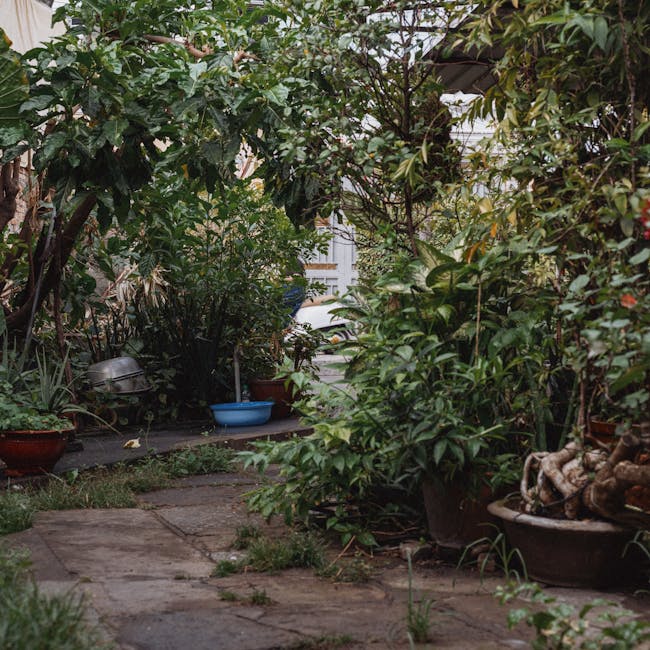
Best gardening services North Finchley N12 back garden revamp
If your back garden has started to feel more like a forgotten patch than a place to relax, you are not alone. A proper revamp can turn a tired outdoor space into somewhere you actually want to use on a sunny evening, after school, or on a slow Sunday morning with a cup of tea. The best gardening services North Finchley N12 back garden revamp projects are the ones that balance design, upkeep, safety, and everyday practicality - not just a quick tidy-up.
In North Finchley N12, gardens often need a bit of everything: clearance, shaping, lawn care, hedge work, and sometimes a more structural rethink. This guide walks through how a back garden revamp works, what to expect, where the real value lies, and how to avoid the usual traps. It is written to help you make a sensible decision, whether you want a simple refresh or a fuller transformation.
Contents
- Why Best gardening services North Finchley N12 back garden revamp Matters
- How Best gardening services North Finchley N12 back garden revamp Works
- Key Benefits and Practical Advantages
- Who This Is For and When It Makes Sense
- Step-by-Step Guidance
- Expert Tips for Better Results
- Common Mistakes to Avoid
- Tools, Resources and Recommendations
- Law, Compliance, Standards, or Best Practice
- Options, Methods, or Comparison Table
- Case Study or Real-World Example
- Practical Checklist
- Conclusion
- Frequently Asked Questions
Why Best gardening services North Finchley N12 back garden revamp Matters
A back garden revamp matters because the back garden usually does the heaviest lifting in a home. It is where children play, where pets roam, where bins get shuffled around, and where plants either flourish or slowly give up. If the space is overgrown, uneven, or just visually tired, it can start to feel like a job rather than an asset.
That is especially true in London homes where outdoor space is precious. In North Finchley N12, many gardens are not enormous, so every square metre needs to earn its keep. A well-planned revamp can make a modest garden feel much larger, easier to manage, and more inviting. You may not need a complete redesign. Sometimes the real difference comes from good preparation, clear edges, smarter planting, and a layout that finally makes sense.
There is also a practical side. Overgrown hedging can block light. Poorly maintained lawns can become patchy and muddy. Old timber, broken paving, or clutter can make the garden less safe and less enjoyable. A revamp is not just about appearance; it is about restoring function. Let's face it, a garden you can actually use beats a "project" you keep avoiding.
If you are exploring broader support, a service page like services overview can help you see how garden work is usually grouped, from maintenance through to landscaping and clearance. That makes planning a lot easier.
How Best gardening services North Finchley N12 back garden revamp Works
A back garden revamp normally starts with a walk-through and a straightforward conversation about what is bothering you, what you want to keep, and how you intend to use the space. Are you after a low-maintenance family garden? A cleaner, more structured entertaining area? Somewhere greener and softer? Those answers shape everything that follows.
From there, a good garden team will typically assess four things: the current condition, the main problem areas, the practical access to the garden, and the likely sequence of work. That sequence matters more than many people realise. Clearing comes before shaping. Shaping comes before finishing. And finishing comes before you start judging whether the garden feels right. Simple, but easy to get wrong.
In a typical revamp, the work might include some combination of:
- garden clearance and removal of waste
- lawn repair or redefinition
- hedge trimming and pruning
- tree work where safe and appropriate
- new planting or border refresh
- decking, paving, or surface improvements
- general tidying and ongoing garden maintenance
Sometimes the project is light-touch. Sometimes it becomes more structural, especially if the layout is awkward or the garden has long been neglected. In those cases, landscaping may sit alongside planting and maintenance so the result feels cohesive rather than patched together. If the work is more design-led, landscape gardening is often the right starting point.
One thing people often miss: the best revamps usually happen in stages. A garden that looks hopeless on day one can feel completely different after clearance, pruning, and a few intelligent changes. You do not always need to do everything at once.
Key Benefits and Practical Advantages
There are several reasons homeowners choose a professional revamp rather than trying to do everything over a few weekends.
1. Better use of space. A skilled team can spot the dead corners, awkward routes, and underused zones that make a garden feel smaller than it is. Rearranging beds, opening sightlines, or improving access can make a big difference.
2. Less maintenance later. A revamp should not create a garden that is beautiful for two weeks and exhausting thereafter. Good planning reduces ongoing effort. That often means smarter planting, cleaner edges, and manageable lawn areas. If regular upkeep matters, garden maintenance is worth building into the plan from the beginning.
3. Improved appearance from the street and the back door. The back garden may be private, but you still notice it every day. A cleaner, brighter, more ordered space has a strangely big effect on how the whole home feels. There is a lift to it.
4. Safer surfaces and boundaries. Broken branches, loose debris, slippery mossy patches, and overgrown edges can all become hazards. Even a fairly modest intervention can make the area more secure for children, visitors, and older family members.
5. Better plant health. Pruning at the right time, thinning dense growth, and restoring soil or border conditions gives plants room to recover. It is not glamorous, but it works.
6. Less overwhelm. A neglected garden can weigh on you more than you expect. Once the major issues are cleared, the space feels lighter. That sounds a bit emotional, maybe, but it is true.
Who This Is For and When It Makes Sense
This kind of project suits a few different people.
Busy households often want a garden that looks decent without demanding every spare Saturday. A back garden revamp can simplify the space so upkeep becomes realistic instead of aspirational.
New homeowners may inherit a garden that has been left untouched for years. In that case, the first step is often not design, but recovery. Clear the clutter, deal with the biggest growth issues, then think about layout.
Families preparing to sell may want the garden to feel neat, usable, and well cared for. Buyers tend to notice whether outdoor space feels managed, even if they do not consciously analyse it. A tidy garden quietly supports the rest of the property.
Older homeowners may need a safer, simpler layout with less bending, cutting, and heavy lifting. Smaller beds, clearer paths, and dependable maintenance can make a garden much easier to live with.
People with a neglected plot may simply be at the point where the garden has outgrown DIY. That is common. Truth be told, once brambles, self-seeded growth, and old waste have taken hold, a professional clearance is often the sensible reset. If that is where you are, garden clearance can be the turning point.
Does every garden need a full revamp? Not at all. Sometimes a neat mow, hedge reduction, and selective pruning are enough. But when the outdoor space no longer suits how you live, revamp territory makes sense.
Step-by-Step Guidance
Here is a practical way to approach a back garden revamp without making it more complicated than it needs to be.
-
Identify the real problem.
Start with what is actually wrong. Is it too overgrown? Too bare? Poorly laid out? Too much maintenance? A vague brief leads to vague results.
-
Decide what must stay.
It could be an established tree, a favourite shrub, a shed, or decking that still has life left in it. Keeping the right features saves money and preserves character.
-
Clear the space.
Before you talk about new planting or layout changes, remove waste, dead material, and anything that simply gets in the way. A clean slate helps people see the bones of the garden. This is where garden clearance and recycling-minded removal can be especially useful.
-
Assess structure and surfaces.
Look at paths, borders, walls, beds, steps, and edging. If these parts are disorganised, the whole garden feels disjointed. Sometimes a small amount of landscaping creates more impact than a long list of minor plant changes.
-
Shape the green framework.
Trim hedges, cut back overgrowth, and balance the canopy of trees where necessary. This is often the stage where the garden suddenly starts to breathe. For recurring border and boundary work, hedge trimming usually plays a central role.
-
Rebuild the easy-to-maintain areas.
Lawns, planting beds, and mulch areas should be designed with upkeep in mind. A garden that is simple to mow and easy to edge is far more likely to stay looking good. The practical bit matters, always.
-
Finish with detail work.
This is where the garden starts to feel "done": tidy lines, clean edges, balanced planting, and a final sweep for stray debris. It is not glamorous, but it is the bit you notice when the sun is low and everything looks a bit golden.
If you are not sure how much to change, start with a phased plan. Phase one can be clearance and correction. Phase two can be shaping. Phase three can be surface upgrades or planting. That way you are not committing to decisions before the space has told you what it needs.
Expert Tips for Better Results
Think maintenance first, beauty second. A beautiful garden is great, but one that works with your actual routine is better. If you hate constant trimming, choose fewer high-demand features. If you want seasonal colour, make sure there is room for the plants to breathe and be seen.
Use structure to make small gardens feel bigger. In compact North Finchley gardens, strong edges and clear zones matter. A simple deck, a clean lawn shape, and a couple of well-placed beds can feel more generous than a crowded mix of random features. If you are considering a sitting area, decking services may help define the space without making it feel boxed in.
Do not overplant. It is tempting to fill every gap. But gardens need space to settle. Overplanting creates future pruning headaches and can make the design feel busy in a bad way. A little restraint goes a long way.
Pay attention to light. Shade and sun move through the day, and that changes what will thrive. A corner that looks dull in winter may be lovely in late spring. Conversely, a bed that gets full afternoon sun can dry out fast. This is the sort of thing a practical gardener notices quickly, often before the homeowner has even mentioned it.
Choose materials you can live with. A revamp should not be a one-season wonder. Surfaces, edging, and planting should suit the local weather, the amount of use, and your willingness to maintain them. No need to be fancy for the sake of it.
Build waste handling into the job. People often forget this. A proper revamp creates a surprising amount of green waste, soil, and old material. Having a plan for removal helps keep the project moving. For larger jobs, ask how recycling and disposal are handled, and whether sustainability is part of the process. Some teams make this clearer than others, so ask.
Keep a simple record of what was done. A short note of planting changes, pruning, and surface work makes later maintenance easier. Nothing fancy. Even a quick phone note helps.
Common Mistakes to Avoid
Starting with planting before sorting the structure. If the garden has poor access, broken borders, or hidden waste, new plants will not solve the real issues. It is a bit like painting a room before fixing the damp patch.
Trying to do everything at once. A full revamp can be exciting, but it is easy to overdo it. Too many changes in one go can make the garden feel confused rather than improved. Better to get the big basics right first.
Ignoring tree and hedge growth. These elements shape light, privacy, and the overall feel of the garden. If you leave them unchecked, they will quickly take back the space. Sometimes people focus on flowers while the hedge quietly eats the garden. Happens all the time.
Choosing a style that does not suit the way you live. A sleek, low-planting design can look great, but if you want wildlife, seasonal colour, and plenty of texture, it may not fit. Be honest about your habits. No judgement there.
Skipping the aftercare plan. The garden will look its best right after the work is finished. What matters is how it looks six weeks later. If no one has planned mowing, pruning, and general upkeep, the result can slip faster than expected.
Underestimating access. Narrow side returns, awkward rear access, and limited storage all affect how the job is done. It is worth mentioning these details early so the work can be planned properly.
Tools, Resources and Recommendations
You do not need a shed full of specialist equipment to understand or manage a revamp, but a few tools and resources help the process run smoothly.
- Basic measuring tape: useful for checking lawn size, border depth, and furniture spacing.
- Notebook or phone notes: good for listing what stays, what goes, and what needs attention later.
- Photo record: take pictures before work begins. The "before" photo often exposes the biggest opportunities, and honestly, sometimes the biggest mess.
- Rubbish and waste plan: know in advance how green waste and old materials will be removed.
- Seasonal planting awareness: choose plants and works that suit the time of year, rather than forcing everything into one weekend.
For ongoing care, a simple combination of mowing, pruning, and border tidying is often enough to protect the results of a revamp. If your garden is already in decent shape, a lighter touch from lawn mowing and routine garden care may be all that is needed to keep it sharp.
When assessing providers, it also helps to look at how they communicate. Clear quotes, sensible timing, and willingness to explain the work are all signs of a team that understands real-world garden jobs rather than just the sales pitch.
If you want to learn more about the team's approach, their about us page is often the most useful place to get a feel for values and working style. That may sound soft, but it matters. You want people who think before they cut.
Law, Compliance, Standards, or Best Practice
For domestic garden revamps in North Finchley N12, the main compliance considerations are usually practical rather than dramatic. The work should be carried out safely, with proper care around tools, slips, lifting, access, and disposal. Where trees are involved, extra caution is wise because larger cuts and removals can carry risk and may require more specialist judgement.
In the UK, homeowners and service providers also need to think about the basics: avoiding damage to shared boundaries, handling waste responsibly, and working in a way that does not create unnecessary nuisance or hazard. If a project involves tree reduction or removal, it is sensible to ask whether the work is appropriate for the tree's condition and location before anything is cut. In other words, don't rush the saw. That's how trouble starts.
Best practice also includes transparent pricing, realistic timescales, and clear scope. You should know what is included, what is not, and what happens if the garden reveals more work once clearance starts. That kind of clarity is one reason people value a written quote and a straightforward process. If you are comparing options, pricing and quotes is worth reviewing before committing.
Health and safety should not be treated as an afterthought. Safe handling of tools, awareness of trip hazards, and sensible disposal routines are all part of a professional job. If you are checking standards, health and safety policy and insurance and safety pages can offer reassurance about how a company approaches risk and responsibility.
Environmental care is also increasingly relevant. Many clients now prefer teams that think about recycling, green waste handling, and sensible use of resources. That is not about perfection. It is about avoiding unnecessary waste and making better choices where possible.
Options, Methods, or Comparison Table
Not every back garden revamp needs the same level of work. The right choice depends on how rough the space is, how you want to use it, and how much upkeep you are willing to handle later.
| Approach | Best for | Typical focus | Pros | Trade-offs |
|---|---|---|---|---|
| Light refresh | Gardens that are generally fine but look untidy | Lawn mowing, hedge trimming, edging, basic tidy-up | Quick, cost-conscious, low disruption | Won't solve layout or structural issues |
| Clear-and-repair | Overgrown or cluttered gardens | Clearance, pruning, waste removal, rebalancing spaces | Big visual improvement, resets the garden | Can reveal underlying issues that need more work |
| Full revamp | Gardens with poor layout or major wear | Clearance, landscaping, surfaces, planting, finishing | Transforms the look and use of the garden | More planning, more decisions, more budget pressure |
For many homes, the best route is not the biggest route. It is the one that gets the garden back under control first, then improves the parts that will actually change how you live outside. That distinction saves money and avoids regret later.
Case Study or Real-World Example
Picture a typical North Finchley back garden after a few years of patchy attention. The lawn is thin in places, ivy has crept where it should not have, the hedge leans into the light, and the far end of the garden is mostly unused because it feels cramped and a bit gloomy. Nothing catastrophic. Just one of those gardens that has quietly drifted.
A sensible revamp would not begin with a complete redesign. First, the space would be cleared so the real shape of the garden could be seen. Then overgrowth would be cut back, the hedge tidied, and the lawn brought back to a manageable form. If the far end was still awkward, a structural change - perhaps a small paved or decked seating zone - could open the area up and create a reason to use it. The result is not just cleaner. It feels more deliberate.
What changes most in situations like that is not only how the garden looks, but how it behaves. You stop avoiding the back door. You stop thinking "I really must deal with that." And once that mental load disappears, the whole house feels a bit calmer. Funny how that works, isn't it?
For jobs like this, a combination of landscape gardening, selective hedge trimming, and routine follow-up maintenance often gives the best long-term return.
Practical Checklist
Use this checklist before you book or begin a back garden revamp.
- Decide whether you want a refresh, a clearance-led reset, or a fuller redesign.
- List the items, plants, and features that must stay.
- Identify the main problem areas: overgrowth, poor layout, bad drainage, dull planting, or worn surfaces.
- Check access for waste removal and materials.
- Ask how green waste and leftover materials will be handled.
- Confirm what is included in the quote and what counts as extra.
- Plan for aftercare so the garden stays neat after the first big improvement.
- Review whether pruning, mowing, or hedge work will need repeat visits.
- Make sure safety and insurance are addressed if the work is more involved.
- Think about whether decking, landscaping, or planting changes are needed to finish the space properly.
If you are trying to simplify the decision, ask one question: what will make this garden easier to enjoy in ordinary life? That answer usually points you in the right direction.
Get a free quote today and see how much you can save.
Conclusion
The best gardening services North Finchley N12 back garden revamp projects are not the flashiest ones. They are the ones that solve the right problems in the right order. First clear the clutter, then restore structure, then shape the garden so it fits how you actually live. The result should feel calmer, cleaner, and easier to care for - not just different for the sake of it.
If your garden has got away from you a little, that is not a failure. It just means it needs attention and a clearer plan. With the right support, even a neglected back garden can become one of the best parts of the home again. And that is a lovely thing to get back.
Frequently Asked Questions
What does a back garden revamp usually include?
It often includes clearance, pruning, hedge trimming, lawn work, border tidy-up, and sometimes landscaping or decking. The exact mix depends on how the garden is used and how much work it needs.
How do I know if I need a full revamp or just maintenance?
If the garden is basically in good shape and just looks a bit tired, maintenance may be enough. If the layout feels wrong, the space is overgrown, or there is a lot of clutter, a revamp is usually the better option.
Is garden clearance always the first step?
Not always, but it is very often the best starting point. You need to see the garden clearly before making sensible decisions about design, planting, or surface changes.
Can a small North Finchley garden still be revamped properly?
Yes, absolutely. Small gardens often benefit most from careful planning because every bit of space has to work hard. Clean layout and simple structure can make a compact garden feel much larger.
How often should a revived garden be maintained?
That depends on the planting and the amount of use, but many gardens benefit from regular mowing, occasional pruning, and seasonal tidying. A revamp lasts longer when follow-up care is built in from the start.
Do I need landscaping for a back garden revamp?
Not necessarily. Some gardens only need pruning, mowing, and clearance. Landscaping becomes more relevant when the structure, levels, or surfaces need improvement.
What should I ask before booking a gardening service?
Ask what is included, how waste will be removed, whether the team is insured, what the likely sequence of work is, and how they handle unexpected issues once the job starts.
Will hedge trimming make a big difference to the garden?
Usually, yes. Hedges shape light, privacy, and the overall feel of the space. A well-trimmed hedge can make a garden look far more open and cared for.
What if there are trees affecting the space?
If trees are blocking light, dropping too much debris, or affecting the layout, they may need careful reduction or removal. That work should be handled cautiously and by someone who understands the risks.
How do I compare quotes fairly?
Compare the scope of work, not just the price. A lower quote may leave out clearance, waste removal, or follow-up tidying. A fair quote should be clear about what you are actually getting.
Is sustainability something I should ask about?
Yes, if it matters to you. Many homeowners prefer responsible waste handling and a practical approach to recycling and reuse. It is a sensible question, and a good service should be able to explain its process plainly.
What is the best first move if my garden is badly neglected?
Start with a clearance-led assessment. Once the overgrowth and waste are under control, it becomes much easier to decide whether you need simple maintenance, landscape changes, or a full revamp.
For more background on the team and their working approach, you may also want to review the about us page and the broader services overview. If you are ready to talk through your garden, the next practical step is straightforward. Reach out, explain what you are dealing with, and get the plan moving. Sometimes that first conversation is the hardest bit - after that, it gets easier.