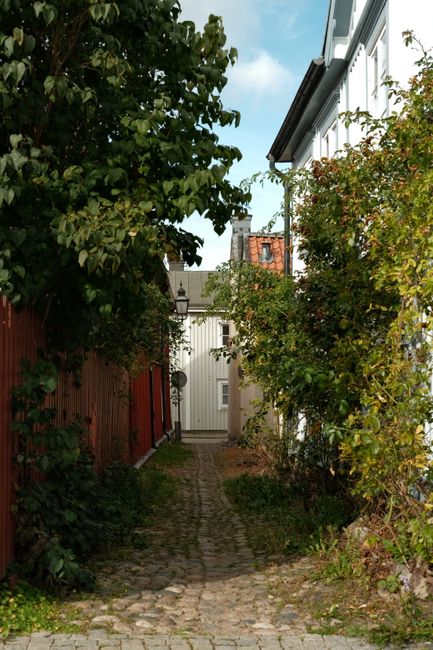
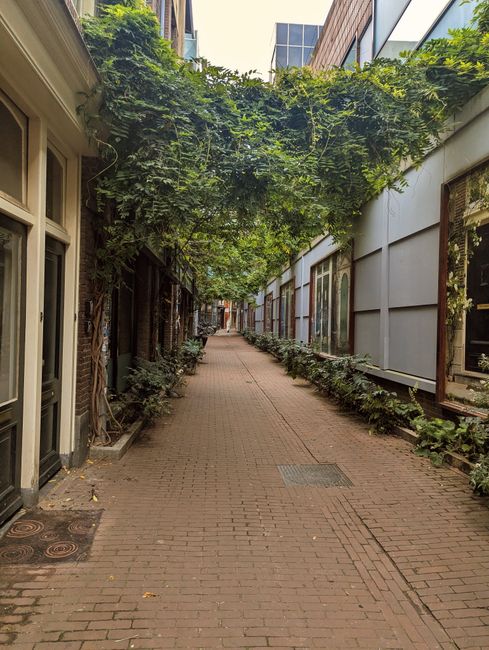
Narrow alley garden access Finchley solutions from gardeners
If you have a tight side passage, a shared alley, or a back garden that feels one wheelbarrow too small for comfort, you are not alone. Narrow alley garden access in Finchley is a very real challenge, and it changes everything from waste removal to planting, paving, hedge work, and routine maintenance. The good news? With the right planning, the right kit, and a sensible working method, experienced gardeners can still get the job done cleanly and safely.
This guide explains what narrow-access garden work actually involves, why it matters, how gardeners approach it in Finchley, and what to ask before anyone starts moving materials through your property. You will also find a practical checklist, a comparison table, and a few real-world style examples to help you decide what makes sense for your space. Let's face it, a cramped passageway can turn even a simple tidy-up into a minor puzzle. But it is a solvable one.
Table of Contents
- Why Narrow Alley Garden Access Finchley Solutions from Gardeners Matters
- How Narrow Alley Garden Access Finchley Solutions from Gardeners Works
- Key Benefits and Practical Advantages
- Who This Is For and When It Makes Sense
- Step-by-Step Guidance
- Expert Tips for Better Results
- Common Mistakes to Avoid
- Tools, Resources and Recommendations
- Law, Compliance, Standards, or Best Practice
- Options, Methods, or Comparison Table
- Case Study or Real-World Example
- Practical Checklist
- Conclusion
- Frequently Asked Questions
Why Narrow Alley Garden Access Finchley solutions from gardeners Matters
Narrow access changes the whole shape of a garden job. A standard front-to-back route with a wide path lets a team bring in compost, timber, turf, slabs, or clearance waste with minimal fuss. A slim alley, on the other hand, can limit what tools fit through, how much material can be carried at once, and even how many people can work safely without blocking movement. That sounds obvious, but in practice it affects time, cost, and the type of service you should book.
In Finchley, where many properties have side returns, older layouts, and compact urban gardens, access planning is not a nice extra. It is often the difference between a smooth day and a frustrating one. A gardener who understands tight-access work will look at turning space, surface condition, door widths, neighbour access, and where materials can be staged before they start. Simple things, yes. But they matter a lot.
There is also a trust element. If a team turns up with the wrong tools or assumes they can wheel heavy waste through a passage that barely clears a standard barrow, you can end up with damaged fences, scuffed paving, or unnecessary delays. Nobody wants that. Good narrow-access planning protects the garden, the house, and frankly your patience.
Practical takeaway: narrow access is not just a logistical issue; it is a project-planning issue. The best results come from treating access as part of the job specification, not an afterthought.
If you are comparing wider project options too, it can help to review the broader services overview and the team's approach to garden maintenance before you decide what to book.
How Narrow Alley Garden Access Finchley solutions from gardeners Works
Most narrow-access garden work follows a fairly disciplined process. First, the gardener assesses the route. That means width, height restrictions, surface grip, steps, gates, bends, lighting, and any fragile features like glass panels or climbing plants. Then they decide how materials will move in and out. In some cases, it is a straight carry with smaller loads. In others, it is staged delivery, hand-bucket transport, or breaking a job into sections so nothing becomes unmanageable.
For clearance work, the team may use smaller sacks, tubs, or lightweight bins rather than overfilled builders' bags. For planting or landscaping, they may split deliveries into manageable quantities instead of dumping all the material at once. For hedge work or tree-related work, cuttings may need to be reduced as they are produced, rather than left in a big pile that blocks access. Small detail, big difference.
Here is the part clients sometimes overlook: narrow-access work is not only about getting things in. It is also about getting waste out without chaos. The route has to stay usable throughout the job. If you have ever seen a garden halfway through clearance with one big pile in the alley and a second one by the back step, you will know what I mean. It gets messy fast.
Gardeners who do this well tend to work in a sequence:
- Inspect and measure the access route.
- Identify any pinch points or fragile surfaces.
- Choose compact tools and suitable carrying methods.
- Stage materials in smaller quantities.
- Protect edges, doors, and paving where needed.
- Remove waste as the job progresses, not after everything has built up.
That process is simple on paper. In real life, it requires judgement. A wet winter morning, a sloped passage, and a handful of heavy bags? That is where experience earns its keep.
Key Benefits and Practical Advantages
There are some very clear upsides to using gardeners who understand narrow alley access.
- Less disruption: Smaller loads and better planning reduce clutter in shared spaces and keep the job moving.
- Lower risk of damage: Careful route planning helps protect walls, gates, pots, and paving.
- Better time control: Teams that know how to work in tight spaces usually avoid false starts and backtracking.
- Cleaner finish: A tidy staging method means fewer stray clippings, mud marks, or leftover debris.
- More realistic quoting: If the access is difficult, it should be factored into the estimate properly, which is better than surprise extras later.
- Safer working conditions: A sensible system reduces lifting strain and trip hazards.
Another benefit is flexibility. Narrow access does not always mean a project has to be reduced. Often it just needs a different method. A small redesign, a phased clearance, or a simpler planting scheme can still deliver a beautiful result. Truth be told, some of the best-looking little gardens come from making peace with the space rather than fighting it.
And for regular upkeep, narrow access planning can make routine visits much easier. A garden that is maintained regularly through a tight alley is far less likely to become a tangled, heavy, awkward job later. That is where services like lawn mowing, hedge trimming, and garden clearance can fit neatly into a seasonal plan.
Who This Is For and When It Makes Sense
This kind of service makes sense for a lot of Finchley properties, not just the obviously awkward ones.
- Homes with a long, narrow side alley to the back garden.
- Terraced or semi-detached properties with limited rear access.
- Shared access paths where work has to be kept tidy and respectful.
- Gardens with fixed obstacles such as sheds, bins, steps, or raised borders.
- Older properties where gates or passages were not designed for modern bulky equipment.
- Anyone planning a one-off clear-out after renovation, storm damage, or an overgrown period.
It is also relevant if you are thinking about larger improvements. For example, a tight access route may affect whether decking boards, sleepers, or paving slabs can be brought through intact. If you are considering a bigger redesign, it is sensible to discuss the route before work starts, especially if you are looking at landscaping or decking services.
Some people assume narrow access only matters for big jobs. Not really. Even a standard hedge cut or seasonal tidy can become awkward if the route is too tight for tools, bags, and safe movement. If you have had to sidestep the same watering can three times just to reach the compost heap, you already know the feeling.
Step-by-Step Guidance
If you want the best outcome, a bit of preparation goes a long way. Here is a practical way to approach narrow alley garden access in Finchley.
1. Measure the route properly
Check the narrowest point, the height of any overhead obstruction, and whether a bend reduces usable width. Do not guess. A route that looks fine from one end can suddenly pinch down near a gate or meter box. Measure with a tape if you can.
2. Identify the fragile bits
Look for loose paving, delicate borders, low lighting, exposed cable runs, glazed panels, or surfaces that become slippery when damp. Finchley weather does its usual thing, and a slightly muddy alley can become a skating rink in no time.
3. Decide what has to move through the alley
Make a list of likely materials: waste, soil, compost, timber, plants, turf, tools, water containers, edging, or repair materials. The more precise you are, the easier it is for a gardener to choose the right method.
4. Group the work into manageable stages
For example, you might clear the site first, then prune, then repair or replant. Or you might finish heavy waste removal before bringing in decorative materials. This keeps the access route from becoming blocked halfway through.
5. Agree the carrying method
Some jobs are best done with hand-carry bags. Others suit smaller wheelbarrows or trays. A good gardener will choose the method that minimises strain and mess. There is no prize for doing it the hard way, by the way.
6. Protect the route
Where needed, use temporary coverings, careful stacking, or edge protection. If a job involves repeated trips, even a simple matting or a revised walking line can reduce wear on the surface.
7. Keep the route open
Do not let waste build up in the alley. Remove as you go. This is one of those small habits that makes the whole day feel calmer. And safer too.
For ongoing upkeep, it can be useful to combine this approach with regular visits from a team that already knows your garden layout. You can see how that fits within the full service range and practical maintenance support such as routine garden maintenance.
Expert Tips for Better Results
These are the kinds of things that tend to separate a decent narrow-access job from a smooth one.
- Start with the messiest task first. If the garden is overgrown, get the heaviest or most awkward material out early before the access route gets cluttered.
- Use smaller loads than you think you need. It saves time in the end. Really.
- Allow for wet shoes and muddy edges. A route that looks fine on a dry day can become awkward very quickly after rain.
- Keep an eye on neighbour impact. Narrow passages are often shared or overlooked. Respectful working makes a difference.
- Choose maintenance over rescue work. Regular cuts, trims, and tidy-ups are much easier through tight access than once everything has become dense and woody.
- Ask for a method that suits the site. A good gardener should adapt to the access rather than force a one-size-fits-all routine.
One small but useful habit: take a quick photo of the alley before any work begins. It helps everyone see the same constraints. Not glamorous, no. But practical.
If your garden includes high or awkward growth near the alley, it may also be sensible to look at tree lopping and removal only where genuinely needed, and always with proper care for safety and surrounding structures.
Common Mistakes to Avoid
Narrow access jobs often go wrong for surprisingly ordinary reasons.
- Assuming the route is wide enough. Width changes at ground level, shoulder height, and corner points. Check all three.
- Booking before discussing access. If the quote ignores the alley, the job may be under-scoped.
- Using oversized equipment. A tool that is excellent in an open garden can be a nuisance in a tight passage.
- Letting waste stack up. This creates trip hazards and makes the route feel even tighter.
- Forgetting about surface protection. Old paving, brick edges, or timber steps can take a beating if the route is not managed.
- Trying to do too much in one visit. In some gardens, a phased approach is simply better.
Another common issue is underestimating the importance of communication. If the gardener does not know where keys, shared gates, bin stores, or water taps are, everyone wastes time. Simple, but easy to miss when you are juggling a dozen other things.
Tools, Resources and Recommendations
You do not need specialist kit to understand narrow-access gardening, but the right tools make a genuine difference.
| Tool or resource | Why it helps in narrow access | Typical use |
|---|---|---|
| Compact hand tools | Easier to carry and manoeuvre in tight spaces | Pruning, edging, planting, tidying |
| Small sacks or tubs | Reduces overfilling and spillage | Waste, soil, cuttings, mulch |
| Lightweight wheelbarrow | Useful where the alley allows one-person movement | Moving materials in stages |
| Temporary floor protection | Helps guard surfaces against scuffs or mud | Repeated trips through shared areas |
| Tape measure and photos | Supports accurate planning and quoting | Pre-visit assessment |
| Service notes and site plan | Keeps the job consistent between visits | Regular maintenance schedules |
For homeowners, a simple notebook or phone album of the route can be surprisingly useful. Take note of where the awkward points are, which gate sticks in wet weather, and where bags can safely be staged. It is a tiny thing, but it can save a round of guesswork later.
If you want to understand how pricing and scheduling are handled for different garden jobs, it is worth reading about pricing and quotes before you decide on a visit.
Law, Compliance, Standards, or Best Practice
Narrow alley garden access does not usually involve complicated legal issues on its own, but there are still important best-practice points. Garden work in the UK should be carried out with reasonable care for safety, neighbour access, and property protection. If a passage is shared or forms part of a common route, it is sensible to agree working hours and keep obstructions to a minimum. Common courtesy goes a long way here.
For professional gardeners, sound practice usually includes risk awareness, safe lifting, and using suitable equipment for the site. If a task involves ladders, heavier clearance, cutting tools, or working near boundary structures, the team should think carefully about handling methods and site control. You do not need dramatic language to say this: safe access is part of competent work.
Insurance matters too. If you are hiring a gardener for a tight-access job, it is reasonable to ask whether they have appropriate cover and how they manage site safety. A company that openly explains its insurance and safety approach is usually showing good operational discipline. Likewise, a clear health and safety policy and straightforward terms and conditions help set expectations before any spades hit the soil.
There is also a broader sustainability angle. Narrow access can encourage smaller deliveries, less waste, and more thoughtful material handling. That links nicely with recycling and sustainability practices, especially during clearance or replanting work.
Options, Methods, or Comparison Table
Different gardens need different access strategies. Here is a straightforward comparison.
| Method | Best for | Pros | Trade-offs |
|---|---|---|---|
| Hand-carrying in small loads | Very narrow or fragile access routes | Controlled, low risk, flexible | Slower on larger jobs |
| Lightweight barrow transport | Moderate-width side passages | Efficient and tidy | Needs enough turning room |
| Phased delivery and removal | Landscaping or clearance projects | Prevents blockages, easier to manage | Requires planning and coordination |
| Small-scale redesign | Gardens with repeated access issues | Can improve the space long term | May need extra investment |
| Regular maintenance schedule | Overgrown gardens with limited access | Keeps the space workable all year | Needs consistency |
In many Finchley homes, the best answer is not one method but a mix. For example, a clear-out might use hand-carrying for the first stage, then a lighter barrow for final removal, then regular maintenance afterward so the route never gets overwhelmed again. It sounds almost too sensible, but that is usually the winning formula.
Case Study or Real-World Example
Imagine a typical Finchley terraced property with a narrow side alley leading to a small rear garden. The alley is just wide enough for careful foot traffic, but not much more. The garden itself has a tired lawn, a hedge running close to the fence line, and a few bags of old debris left behind after a previous tidy-up. Nothing dramatic. Just awkward.
A gardener arrives and does not try to force a large wheelbarrow through the route. Instead, they begin with a quick access check, move smaller tools in first, and clear the heaviest loose waste in manageable bags. The hedge is trimmed in sections so cuttings do not clog the passage. The lawn is then mown, edges are sharpened, and the remaining waste is taken out as the job progresses. By the time the team finishes, the alley is still clear, the garden looks settled, and there is no sense that the space was fought with.
That is the real point. Narrow access does not need to mean compromise. It means method. A bit of calm. A bit of patience. And a team that understands the shape of the property rather than treating every garden as if it were built on a blank canvas.
Practical Checklist
Use this quick checklist before arranging narrow alley garden work in Finchley.
- Measure the tightest part of the access route.
- Check for steps, bends, low gates, or overhead obstacles.
- Note any fragile paving, walls, or edging that needs protection.
- List the main materials or waste that must pass through the alley.
- Decide whether the job needs staging in phases.
- Ask how the gardener handles waste removal in tight spaces.
- Confirm whether the team has suitable insurance and safety procedures.
- Discuss any shared access with neighbours if needed.
- Ask for a realistic quote based on the actual route, not a guess.
- Plan regular maintenance if the garden is likely to become overgrown again.
If you are unsure where to begin, start with the access route itself. That one detail tends to shape everything else.
Conclusion
Narrow alley garden access in Finchley is not a barrier so much as a design constraint. Once you understand the route, choose the right method, and work with gardeners who are comfortable in tight spaces, the whole job becomes much more manageable. Sometimes it is as simple as smaller loads and better sequencing. Sometimes it calls for a phased plan or a small layout adjustment. Either way, the key is to respect the access instead of fighting it.
For homeowners, the best outcome usually comes from clear communication, sensible expectations, and a team that takes safety and practicality seriously. That combination makes awkward gardens feel less awkward, which is a lovely thing when you live with the space every day.
If your garden is hard to reach and you want a tidy, realistic approach that suits your property, speak to a local team that understands tight access work in Finchley. A short conversation can save a lot of hassle later.
Get a free quote today and see how much you can save.
Frequently Asked Questions
Can gardeners work through a very narrow side alley?
Yes, in many cases they can. The exact approach depends on width, turns, surface condition, and what needs to go through the route. A good gardener will adapt the method rather than forcing standard equipment through a space that is clearly too tight.
How do gardeners handle waste removal when access is tight?
They usually remove waste in smaller loads, use bags or tubs that are easy to carry, and keep the route open throughout the job. For larger clearance jobs, they may phase the work so the passage never becomes blocked.
Does narrow access make garden work more expensive?
It can, because it may take longer and require more careful handling. That said, a fair quote should reflect the real access conditions rather than adding arbitrary extras. The best practice is to assess the site properly first.
What should I measure before asking for a quote?
Measure the narrowest width, any height restriction, and whether there are bends, steps, or awkward corners. Photos are also helpful. A few clear images often explain the space better than a long description.
Can a narrow alley affect landscaping plans?
Absolutely. It can influence what materials are used, how they are delivered, and whether a project is best done in phases. Heavy slabs, large sleepers, or bulky deliveries may need a different plan if access is limited.
Is regular maintenance easier than a one-off clear-up?
Usually yes. Once a garden gets heavily overgrown, narrow access becomes much more difficult. Regular cuts, trims, and light clearance keep the route manageable and reduce disruption.
Should I worry about damage to paving or fences?
It is worth thinking about, especially on tight routes. Good gardeners should protect surfaces where needed and choose carrying methods that reduce the risk of scuffs, knocks, or dropped material.
What if my alley is shared with neighbours?
Shared access needs extra care. The team should keep the route tidy, avoid unnecessary obstruction, and work respectfully around normal household use. A little communication goes a long way.
Can a gardener help me decide whether a project is realistic?
Yes. In fact, that is one of the most useful things they can do. An experienced gardener can tell you whether the job is best tackled now, split into stages, or adjusted to suit the access.
Do I need special equipment for a narrow-access garden?
Not usually as a homeowner, but the gardening team may use compact tools, smaller bags, or lightweight barrows. The aim is to keep everything controlled and practical rather than overcomplicated.
How do I prepare the alley before the team arrives?
Clear loose items, unlock gates, move bins if possible, and make sure the route is safe to walk through. If there are any sticky spots, low branches, or fragile areas, mention them in advance. It saves time, and a bit of stress too.
Where can I find more about the company's approach to trust and safety?
You can review useful information such as about us, insurance and safety, and the broader services overview. Those pages help set expectations before work begins.