Garden maintenance Ballards Lane clients love in East Finchley
If you live or work near Ballards Lane in East Finchley, you already know the small frustrations that creep into a garden over time. One week it is a neat lawn and a tidy hedge; a few damp days later, the edges are fuzzy, the borders look tired, and the whole space feels like it needs a reset. That is exactly where Garden maintenance Ballards Lane clients love in East Finchley makes life easier: regular, sensible care that keeps a garden looking good without turning your weekends into a second job.
This guide explains what good garden maintenance actually involves, how it works in practice, and how to judge the right level of support for your space. It also covers the practical stuff people often miss: timing, consistency, safety, waste handling, and the difference between a quick tidy-up and proper ongoing care. To be fair, gardens are living spaces, not showroom displays. They need rhythm, attention, and a little patience.
Whether you are managing a compact front garden, a shared rear space, or a larger residential plot that has got a bit unruly, the aim is the same: healthy growth, tidy presentation, and a garden that feels usable rather than demanding.
Expert summary: The best garden maintenance is rarely the flashiest. It is the steady, thoughtful work that prevents small problems from becoming expensive or time-consuming ones. That is what clients usually remember, and what they tend to love most.
Contents
- Why this matters in Ballards Lane and East Finchley
- How the service works
- Key benefits and practical advantages
- Who it is for and when it makes sense
- Step-by-step guidance
- Expert tips for better results
- Common mistakes to avoid
- Tools, resources and recommendations
- Law, compliance, standards, or best practice
- Options and comparison
- Case study or real-world example
- Practical checklist
- Conclusion
- Frequently asked questions
Why Garden maintenance Ballards Lane clients love in East Finchley Matters
Ballards Lane sits in a part of North London where gardens often work hard. Some are narrow and shaded. Some are exposed at the back. Some have mature shrubs that looked lovely five years ago and now need a bit of discipline. Add in London traffic dust, seasonal leaf fall, and the usual patchy weather, and a garden can change quickly from "fine" to "why does this look so messy?"
That is why regular maintenance matters. It is not just about appearance, although a clean border and a sharp lawn edge do make a real difference. It is also about plant health, safety, and making sure the space stays manageable. A neglected hedge can block light. An overgrown lawn can thin out. Leaves sitting on decking or paths can become slippery. Small things. Annoying things. But small things add up fast.
In East Finchley, good maintenance also helps properties feel more cared for. If you are a homeowner, landlord, letting agent, or simply someone who likes a calm outdoor space, a dependable maintenance routine prevents the garden from slipping into that "we'll deal with it later" category. And later, as everyone knows, tends to arrive with a long list attached.
If you want a broader view of what a well-run service can include, the services overview is a useful place to start. For deeper ongoing care, the dedicated garden maintenance service brings the routine work together in one place.
How Garden maintenance Ballards Lane clients love in East Finchley Works
Good garden maintenance usually starts with observation. Before anyone cuts, trims, or clears, they look at what the garden is doing right now. Which areas are thriving? Which plants need a gentler hand? Where is the space being used most? A proper service is responsive, not cookie-cutter. That is the difference between a quick tidy and maintenance you can actually rely on.
In practical terms, the work often falls into a few familiar categories:
- routine lawn care and mowing
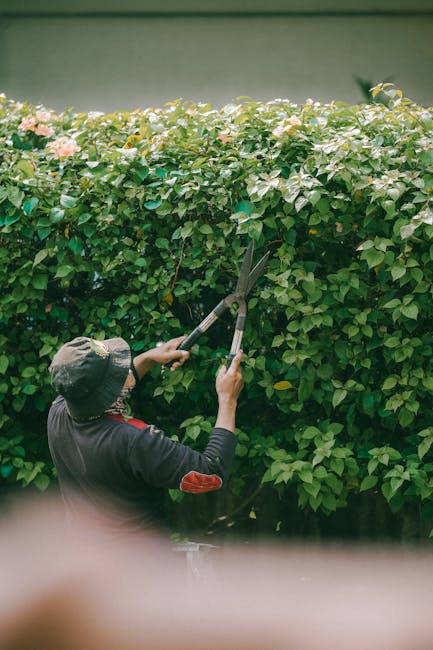
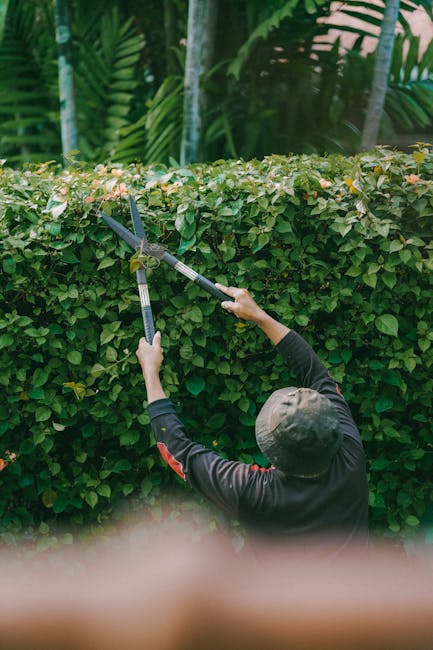
- hedge trimming and shrub shaping
- border weeding and bed tidy-ups
- leaf clearance and general debris removal
- light pruning and seasonal cut-backs
- checking paths, edges, and access points for neatness and safety
Some visits are all about keeping pace with fast growth in spring and early summer. Others are more about autumn leaves, damp weather, and preventing the garden from becoming a slick, cluttered mess. There is no single perfect schedule for every property. A small shaded courtyard does not need the same rhythm as a family garden with active lawns and heavy planting.
That is why a flexible plan matters. One-off jobs are useful, but most people get better value from ongoing care. It keeps the work lighter each time, which is easier on the garden and easier on the wallet too. Not glamorous, perhaps. Effective, definitely.
For lawns specifically, the maintenance rhythm often includes mowing at the right height for the season, with attention to edges and clippings. You can see how that fits into a broader routine by looking at the lawn mowing service. If hedges are the main issue, then hedge trimming becomes one of the most valuable parts of the plan.
Key Benefits and Practical Advantages
There are plenty of reasons people in East Finchley keep coming back to regular garden maintenance, and most of them are pretty down to earth.
- Better presentation: a tidy garden makes the whole property feel calmer and more welcoming.
- Healthier growth: regular cuts and light pruning help many plants stay balanced instead of becoming spindly or overcrowded.
- Less catch-up work: smaller, frequent visits are usually less stressful than a huge seasonal rescue job.
- Safer surfaces: paths, steps, and decking stay clearer when leaves, moss, and clippings are dealt with promptly.
- More usable space: when the garden is maintained properly, you can sit out, let children play, or just enjoy the view without thinking about the mess.
- Better long-term value: regular care can help protect planting and hard landscaping, which is a sensible way to avoid bigger repair bills later.
There is also a quieter benefit that people do not always mention. A maintained garden feels easier to live with. You open the curtain in the morning and it does not immediately ask something of you. That is worth something, especially in a busy London week.
| Maintenance approach | What it involves | Best for | Typical outcome |
|---|---|---|---|
| One-off tidy-up | Clearing, cutting back, removing debris, restoring order | Overgrown gardens, move-in/move-out jobs | Fast visible improvement, but growth returns unless followed up |
| Regular maintenance | Routine mowing, trimming, weeding, minor pruning | Homes that want a consistently neat look | Lower workload, more stable appearance, healthier garden |
| Seasonal maintenance | Autumn clearance, spring reset, summer control, winter preparation | Busy households or properties with lower year-round use | Good balance of cost and upkeep, though not as consistent as regular visits |
Who This Is For and When It Makes Sense
This kind of service is useful for more people than you might think. It is not only for large gardens or people who have completely given up on the place. In fact, some of the best candidates are those who just want to keep things under control without spending every spare hour outdoors with shears in hand.
Garden maintenance is a strong fit if you:
- have a busy work schedule and little time for regular upkeep
- are a landlord or letting agent wanting the exterior to stay presentable
- have a family garden that gets used often and needs constant tidying
- have mature planting that needs careful, regular attention
- want to prepare a property for sale or letting
- simply prefer a garden that stays neat rather than one that gets rescued once a year
It also makes sense after a period of neglect, after a house move, or following a season of fast growth. Truth be told, that is when many people first realise how much time garden work actually takes. A Saturday disappears surprisingly quickly once hedge clippings, weeds, and lawn edges get involved.
If your garden needs a deeper reset before maintenance can begin, garden clearance may be the better first step. If you are thinking beyond upkeep and want to improve the layout, structure, or flow of the space, then landscape gardening or broader landscaping may be more appropriate.
Step-by-Step Guidance
Here is a practical way to think about garden maintenance, whether you are organising it yourself or comparing service options.
- Assess the garden honestly. Walk the space and note what is growing well, what looks tired, and what feels awkward to use. Be honest. The garden will not mind.
- Separate urgent tasks from cosmetic ones. Safety issues, blocked access, and heavy overgrowth usually come first. Pretty finishing touches can wait until the basics are sorted.
- Decide how often the garden needs attention. Weekly, fortnightly, monthly, or seasonal? That depends on the planting, the lawn, and how much use the garden gets.
- Prioritise the high-impact work. In many gardens that means mowing, edging, hedge trimming, and clearing leaves or debris.
- Check what needs disposal or recycling. Green waste and bulky cuttings should be dealt with responsibly, not piled in the corner "for later".
- Review the result after a few visits. A good maintenance plan should feel smoother over time. If the same problems keep coming back, the schedule may need adjusting.
A useful rule of thumb: if every visit feels like a rescue operation, the space probably needs a better plan rather than just more effort. That is where consistency really pays off.
Expert Tips for Better Results
Small decisions often make the biggest difference. In our experience, the following habits lead to better-looking gardens with less stress.
- Do not cut too much at once. It is tempting to go hard with the hedge trimmer or mower after a long gap, but heavy cutting can leave plants stressed or patchy.
- Keep edges sharp. A clean lawn edge makes even a modest garden look much more intentional.
- Treat wet weather with caution. Damp soil compacts easily, and slippery paths are no joke. A sensible pause can save trouble.
- Notice what changes with the season. Spring growth, summer watering needs, autumn debris, winter pruning windows - they all ask for slightly different responses.
- Use maintenance to spot problems early. A split branch, mossy patch, or dying shrub is easier to deal with when caught early.
- Keep the waste moving. A tidy garden quickly becomes untidy again if cuttings and bags are left sitting around.
One more thing. People often think "tidy" means "bare". It does not. A good garden can still feel full and alive while being neat, balanced, and easy to enjoy. That balance is the sweet spot.
Common Mistakes to Avoid
Most garden maintenance mistakes are not dramatic. They are the sort that creep in quietly, then make more work later. A few examples stand out.
- Waiting too long between visits: once growth gets ahead of you, the work gets more disruptive and often more expensive.
- Cutting hedges or shrubs too aggressively: not every plant responds well to a severe trim.
- Ignoring drainage or damp patches: repeated puddling or soggy areas usually point to a bigger issue than surface mess.
- Using the wrong mower height: mowing too short can weaken grass, especially in dry or shaded conditions.
- Leaving clippings and leaves in place: this can smother turf and create slippery surfaces.
- Forgetting access areas: side paths, bins, and gate lines matter just as much as the main lawn if you want the whole place to feel cared for.
Sometimes the biggest mistake is simply doing everything in one burst and then forgetting the garden for six weeks. It feels efficient in the moment. It rarely stays efficient.
Tools, Resources and Recommendations
The right tools make maintenance cleaner, quicker, and safer. You do not need every gadget under the sun. A practical set is usually enough.
- Hand tools: secateurs, hand fork, spade, rake, and a sturdy pair of gloves
- Cutting tools: mower, strimmer, hedge trimmer, pruning saw where appropriate
- Clearance tools: sacks, bins, tarpaulins, and wheelbarrow for moving waste efficiently
- Protection: eye protection, gloves, and sensible footwear, especially on uneven or damp ground
- Organisation: a simple maintenance calendar so nothing gets forgotten at the wrong time of year
If you are comparing service options, it can help to look beyond the visible tidy-up and ask what else is included. For example, does the provider handle waste responsibly? Do they understand how to maintain lawns without scalping them? Do they respect planting rather than flattening it? Those details matter more than a flashy promise.
It is also worth checking how a company approaches safety and property care. Pages such as insurance and safety and health and safety can help you understand the standards behind the work. If sustainability matters to you, the recycling and sustainability page is a sensible read too.
Law, Compliance, Standards, or Best Practice
Garden maintenance is usually straightforward, but there are still sensible standards to follow. In the UK, good practice includes safe use of tools, careful handling of waste, and respect for neighbouring properties. You do not need a legal lecture every time the hedge needs attention, but common sense and proper care go a long way.
Best practice typically includes:
- working safely with sharp tools and machinery
- avoiding unnecessary disturbance to plants, boundaries, and hard surfaces
- disposing of green waste responsibly
- keeping access routes clear and safe
- being mindful of noise, timing, and neighbourly consideration
If a service provider is visiting your property, it is fair to expect basic professionalism: tidy work habits, sensible communication, and care around gates, paths, and neighbouring boundaries. That may sound obvious. It is. But obvious things are sometimes the most reassuring.
For customers who want more detail on how a provider operates, it can also be useful to review their terms and conditions and payment and security information. If you are considering a broader project or transforming part of the garden, the about us page can help you understand the team behind the service.
Options, Methods, or Comparison Table
Different gardens need different kinds of support. Here is a simple comparison that helps many people decide what level of service is most sensible.
| Option | Best for | Pros | Watch-outs |
|---|---|---|---|
| DIY maintenance | Small, simple gardens with light growth | Lower direct cost, full control | Takes time, easy to delay, harder to keep consistent |
| Occasional professional visits | Properties needing a hand now and then | Useful for resets and seasonal work | May not prevent growth from getting ahead between visits |
| Regular scheduled maintenance | Busy households, landlords, and gardens that need steady care | Predictable, tidy, less stress over time | Requires commitment and a clear scope |
| Maintenance plus improvement work | Gardens that need both upkeep and upgrades | Balances care with long-term value | Can take more planning and budget discipline |
If the goal is simply to keep a space neat, regular maintenance tends to win. If the goal is to reshape the garden, then maintenance alone may not be enough. That is where a mix of upkeep and improvement becomes the smarter choice.
Case Study or Real-World Example
Imagine a modest rear garden off Ballards Lane: a patchy lawn, a hedge that has grown wider than intended, and borders full of weeds after a wet spell. Nothing unusual. The owners are busy, so the space has been left between seasons and now feels slightly defeated. Not disastrous, just tired.
A practical maintenance visit might begin with clearing debris and cutting back the hedge to restore light and access. The lawn is then mown to a healthier height, with edges trimmed so the space looks defined again. Weeds are removed from the borders, not just hidden under fresh cuttings, and any waste is taken away. Straightaway, the garden feels different. You can hear the space again, if that makes sense - less clutter, more air.
After that first reset, the real improvement comes from regular follow-up. The lawn is kept in check before it gets lanky. The hedge stays manageable. The borders are maintained rather than rescued. The owners do not have to start from scratch every time. That is the kind of result people usually mean when they say they love a service: not just the finish on day one, but the ease that follows.
Practical Checklist
Use this checklist before booking or starting a garden maintenance plan.
- Have you identified the main problem areas?
- Do you know whether the garden needs a one-off tidy, recurring care, or both?
- Are lawns, hedges, borders, and paths all being considered?
- Is there any heavy clearing needed first?
- Do you need waste removal or recycling support?
- Are there safety concerns, such as unstable branches or slippery surfaces?
- Have you thought about how often the garden should be maintained?
- Do you want simple upkeep or a plan that also improves the space?
- Have you checked the provider's service information and policies?
- Do you want to keep the garden low-stress through the season, not just tidy once?
If you are ticking several of those boxes, you are probably ready for a proper conversation about maintenance. And that is a good place to be. It means the garden has a plan, not just hope.
Get a free quote today and see how much you can save.
Conclusion
Garden care near Ballards Lane is rarely about one dramatic transformation. More often, it is about rhythm: the right cut, the right trim, the right clean-up, repeated often enough that the garden stays pleasant to use. That is why Garden maintenance Ballards Lane clients love in East Finchley is so often the practical choice. It keeps things simple, manageable, and genuinely enjoyable.
If you want a garden that looks looked after without becoming a constant project, regular maintenance is the sensible answer. It protects the space, reduces stress, and gives you back time you can spend on far better things than pulling weeds by the back fence. And honestly, that feels pretty good.
When the garden is in steady shape, the whole home seems to breathe a little easier. That may be the nicest part of all.
Frequently Asked Questions
What does garden maintenance usually include?
It usually covers lawn mowing, hedge trimming, weeding, light pruning, leaf clearance, border tidying, and general upkeep. The exact mix depends on the garden and the season.
How often should a garden in East Finchley be maintained?
That depends on growth rate, garden size, and how much the space is used. Many gardens benefit from regular visits during the growing season, with lighter seasonal attention at other times.
Is a one-off tidy-up enough?
A one-off tidy-up is useful if the garden has become overgrown or messy, but it usually works best when followed by regular maintenance. Otherwise, the same problems tend to return.
What is the difference between garden clearance and garden maintenance?
Garden clearance is the bigger reset: removing heavy overgrowth, clutter, and built-up waste. Maintenance is the ongoing work that keeps the garden in good condition afterwards.
Can garden maintenance help improve the value of a property?
It can help improve first impressions and make the outside space feel better cared for. That does not guarantee a value uplift, but presentation matters when people view a property.
Do I need maintenance if I have a small garden?
Yes, sometimes especially then. Small gardens can look messy very quickly, and compact spaces often show untidy edges, weeds, and leaf build-up more clearly.
What should I ask before hiring a garden maintenance service?
Ask what is included, how often visits are recommended, whether waste is removed, and how the team handles safety and insurance. Clear expectations are worth their weight in gold.
Are hedges and lawns usually done in the same visit?
Often yes, if the schedule and condition of the garden call for it. Many maintenance visits combine mowing and hedge trimming so the space is dealt with efficiently.
What if my garden needs more than upkeep?
If the layout is poor, the planting is overcrowded, or the space feels awkward, you may need landscaping or landscape gardening as well as routine maintenance.
How do I keep maintenance costs under control?
The simplest way is consistency. Smaller, regular visits are usually easier to manage than letting the garden get badly overgrown and then paying for a major catch-up.
Is there anything I should prepare before a maintenance visit?
It helps to clear access, move fragile items, and point out any problem areas such as damaged fencing, hidden obstacles, or plants you want preserved. A quick walkthrough makes the job smoother.
Why do people in Ballards Lane and East Finchley choose regular maintenance instead of doing it themselves?
Mainly time, convenience, and peace of mind. Some people enjoy gardening, but many would rather have a reliable, tidy result without sacrificing their weekends. Fair enough, really.